

Prepare Before the Disaster
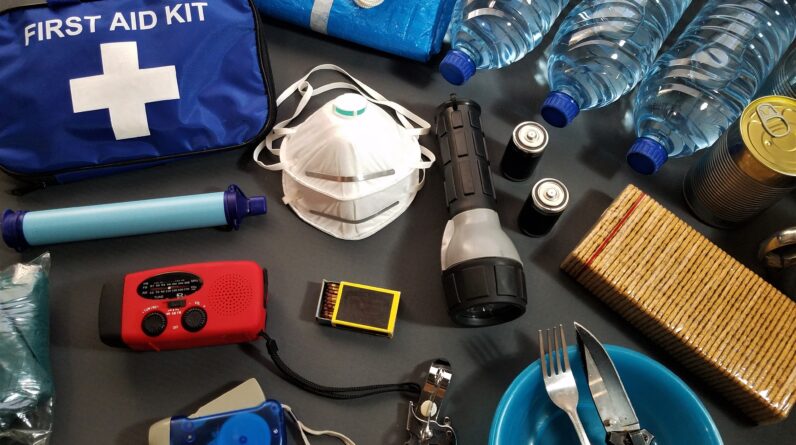
Your long-term survival depends on you having the insight to prepare BEFORE the disaster strikes. It would be best to gather everything you need to survive way before the need arises, like doing it now. Just make sure that you do not store your survival supplies or gear in excessive heat or cold areas as this could possibly degrade your items. Make sure it is protected from the elements also. With prepping, you can avoid many problems that come with being unprepared. Learn more about what to prepper now with this article.
The best product to store and protect your survival supplies is a high-quality backpack. Don’t use a suitcase, carry-on, or duffel bag. Use a piece of equipment  that is designed for a specific purpose. You might be dragging that around for a few days, so make it comfortable. Also, make sure the packs still fit the owner, kids get older, or maybe someone was added to your tribe since the last time you checked your supplies.
You must remember four important things when preparing your survival supplies. The first item is a shelter to keep you safe from the elements, other people, and animals. I believe water is your second most critical thing, followed by food and first aid.
Shelter
A survival shelter is any structure that can keep you safe from animals, insects, and 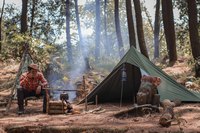 elements. For example, survival shelters might be tunnels dug out of snow or wooden A-frame structures. Shelters come in a variety of forms and serve several purposes. However, one thing is certain: it’s nearly impossible to survive without them. When planning your long-term
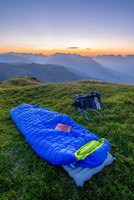 survival supplies, you should have a single-man tent for every family member, a sleeping bag, a space blanket, and a substantial poncho.
Another item for your long-term planning is a source of heat. You will need an ax or saw to cut wood for fires, some firestarter such as waterproof matches, or ferro rod. It never hurts to have a few Bic lighters and a multi-tool. Another product to help would be some tinder such as char cloth, hemp wick, or homemade tinder. These could get you going in the right direction if you find yourself cold and wet with no heat source!
A fire is one of the primary sources of heat in the wilderness. Fires provide warmth, but they also can cook food, purify H2O, and help to keep people warm. The problem, of course, with fires is that they consume fuel rapidly. Without any fire management, a fire may burn for hours and use up valuable wood. By creating a makeshift fireplace, you can shield your fire from the wind and keep it burning longer. If you can find an elevated area of dirt or rock that is level and somewhat protected from the wind, build your fire on that site. A rock ring or slab structure will help to contain the fire.
Hydration
Having a pure drinking supply is the next thing on your list. You can never have enough water, and how you go about getting it should be thought about in advance. A filter is a good idea, but a means to boil or purify the liquid is even better. You can get hydration from streams, ponds, or lakes. If you’re desperate, you can even drink straight from creeks and streams, but I would not suggest that. What you drink may contain viruses and bacteria and should be disinfected to kill 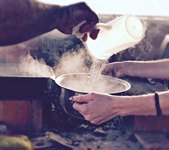 any viruses or bacteria. The safest way to disinfect the water is to boil it for several minutes. Use an ordinary cooking pot. It should be big enough to hold several quarts of water. Heat it until it’s rolling hard-boiling, not merely simmering, but don’t let it boil over onto the fire supply. Next, allow it to cool before using it for drinking or cooking. This will reduce the potential of burning your skin when you touch it.
You can use a water filter straw or personal filter to remove particles and purify the water. Remember that FEMA recommends at least one gallon of water for each person. I would place that as a bare minimum, and I would go with more per day.
You should also make sure to have plenty of water pouches in your bug-out pack for 3 to 5 days. These water pouches have a 5-year shelf life. Don’t forget water purification tablets.
Nutrition
The next item on our list is food. Remember, we are talking survival here, not ordering a pizza on Saturday night or any product from the convenience store. Nutrition supplies consist of flour, sugar, salt, coffee, and powdered milk. These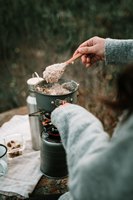 store for long periods and are the foundation of most other nourishment. Also, adding beans, rice, peanut butter, and honey to that list will ensure you have an adequate supply to produce meals.
Storing canned foods in your home is a good idea. Many canned meats and vegetables will last for 2 to 5 years. You must be careful with items high in acid like tomato products and some types of fruits. You should store them for only 1 to 1 ½ years. When keeping large quantities of canned products, you will need to have a manual can opener, as in some scenarios, the power might be off.
Another emergency preparedness option is canning yourself. With the popularity of electric pressure cookers now, this option will be more comfortable than in the past. Canning has been around for a long time. In 1795 Napoleon commissioned a prize for anyone that could prevent food from spoiling. Chef Nicholas Appert invented packing meat and poultry in glass bottles, corking them, and submerging them in boiling water. Without realizing it, he sterilized them, stopping bacterial spoilage and growth.
Many companies produce freeze-dried, vacuum-sealed packages and MRE’s (Meals Ready to Eat). You can purchase these packages for 72 hours, four weeks, or one year for one person or a family. We will be covering this aspect of preparedness products and long-term storage later.
First-Aid
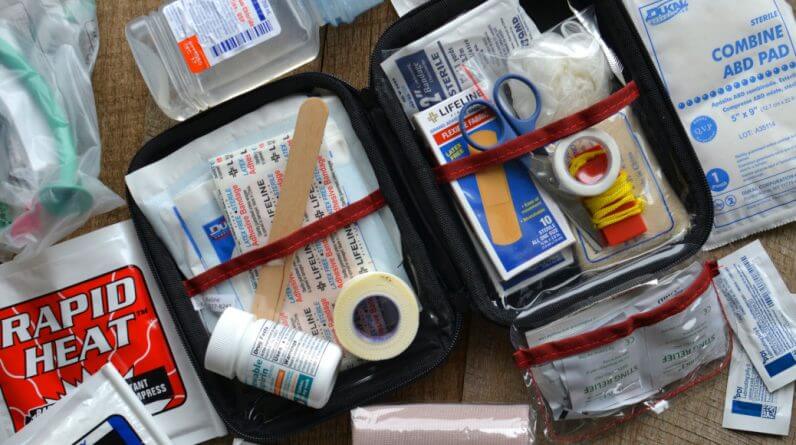
First aid survival kits should be on your long-term survival list. There are emergency kits up to full medic packs. You should be familiar with all the gear  inside the bag and how to use it. There are many books on basic first aid, so pick up one and make it a weekend project to familiarize yourself with the information. Just make sure the information you pick up also covers your eyes and teeth problems.
The First Aid Basic Kit contains:
– scissors
– a space blanket, needle, and thread, safety pins
– Matchbox size waterproof container to store supplies in, such as bandages, gauze pads, antiseptic ointment and burn gel/ointment.
– Clear tape/duct tape to seal small cuts or blisters
– Butterfly strips or Band-Aids for large cuts.
– Band-Aids in the shape of a cross.
– Antibiotics, pain relief, antacids, anti-diarrhea medication, and toilet paper.
– Tweezers, can opener, and gloves.
– Flashlight with extra batteries.
– Flashlight cover or lens protector.
– First Aid Guidebook – should include a guide on how to treat major problems like burns, broken bones, chest pains, insect bites/stings, poisoning, and CPR (cardiopulmonary resuscitation).
– Whistle/LED light for signaling rescue.
I won’t get into how to protect yourself and your family, but make sure that you include those thoughts in your long-term plan. It might be one that your family needs to discuss the various scenarios you might encounter and how comfortable you are in combating those situations.
To wrap this up, I want to cover a few other items you should consider when making a long-term plan. The first item would be some form of communication. This might be in the form of hand-held or walkie-talkies. A radio would also work if it had power, and you could find batteries for them. A hand-crank radio might be better to have in your kit if you are without power.
Lastly, if you can afford it, get a good pair of binoculars and a compass for your survival supplies kit. If you are unfortunate enough to find yourself out in the woods, then these two items will help immensely in helping rescue crews identify your location. Also, a good phone could be unbelievably valuable as communication and GPS. Power for it might be a drawback, but they have external battery power now.
There are many more things to cover in your long-term storage plans and different emergency situations, and we will detail those in other articles.